We’ve all heard of fat loss and muscle gain, and generally one or the other is the goal for most people.
But what if you want to do both at the same time?
Is it even possible? How would that work?
When we aim to lose fat and gain muscle simultaneously, this is called body recomposition.
We will break it down in a simple Q&A style below.
What is body recomposition?
Body recomposition is exactly as it sounds. Changing up the composition (or what your body is made up of).
We are trying to remove excess fat, and build muscle in place. This does NOT mean we are turning fat into muscle because that is not how it works nor is that possible. It simply means we are losing fat and then in turn replacing it with muscle mass.
What happens during body recomposition?
During body recomposition, you’ll notice weekly that your overall weight on the scale does not really change, if at all.
This is because as we are dropping fat, the muscle we are building up is making up for that difference in weight.
And as we know (or may not know), muscle is “heavier” than fat.
I put heavier in quotations because I think a lot of people get confused on this aspect. 1 lb is 1 lb regardless of if it is fat or muscle. The difference is the DENSITY of each. Muscle is much more dense than body fat and therefore a lot more muscle can fit in the same space volume wise than body fat can.
Picture for visual:
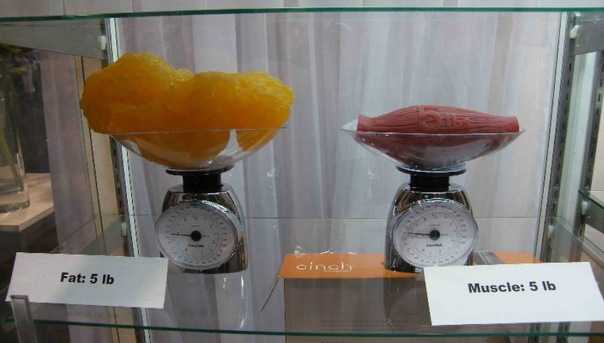
Muscle takes up about 20% less space than body fat. So that is why really muscular people weigh more even though they look lean and why as you do body recomp, you’ll notice the scale isn’t moving but you are losing inches overall.
Who is body composition recommended for?
You can do body recomposition at any stage if you choose. Everybody and anybody can do it.
It really depends on your personal goals.
If you are very overweight, you may not want to do body recomposition just because your scale weight isn’t going to move and you may need or want it to go down.
If you are very underweight, you may not want to do body recomposition for the same reasons but in reverse. Scale weight won’t really go up and you may need or want it to go up.
I think body recomposition is personally best for those who may just have a little extra fat to lose (10-15lbs) overall and want to get stronger and more defined, beginners overall and people restarting their fitness journey after a long time.
As I said above though, it is a personal choice and you can do it WHENEVER you want, if you want.
Scale weight does not directly dictate overall health and wellbeing, although it can in some cases.
What is the workout regiment for body recomposition?
Similar to either a fat loss or muscle gain goal, strength training is the most important aspect.
You’ll need to strength train 3-5x a week in order to hit your muscle gain goals.
On top of a great strength training regiment, I would add in a LITTLE cardio. Do NOT go overboard with it.
15 minutes after training 3-5x a week is sufficient. You can also skip it and opt for slower walks or steps overall daily. I think 10k is a good step goal for most people.
If you are unsure of how to make a good strength training program, refer to my guide on how to do so, here.
What is the nutrition regiment for body recomposition?
While fat loss requires a calorie deficit, and muscle gain generally requires a calorie surplus..
Body recomposition meets somewhere right around calorie maintenance level.
For body recomp, we are going to opt for a VERY small deficit of about 100 calories. This means if your TDEE (total daily energy expenditure) is 2500 a day, you would opt for 2400 calories a day to achieve body recomposition.
As with any diet regiment, eating high protein is key.
If you are unsure of how much protein you need for your body, refer to my beginners guide on protein, here.
What else do I need to focus on for body recomposition?
Similar to any fat loss or muscle gain goal, sleep is so important.
You do the majority of your recovery during sleeping hours so if you aren’t getting 7-9 hours a night, you will likely suffer or struggle to make good progress.
Another thing is water intake.
As we know, you need to stay hydrated as the body is made up of a lot of water!
Full hydration means the body is running all of its processes most efficiently, including fat loss and muscle gain.
Lastly, stress.
We want to make sure we are keeping our stress levels as low as possible as high stress will keep us from hitting any fitness goal.
There are a majority of other factors too, but we will keep it simple for now.
What supplements are recommended for body recomposition?
As with any goal, you don’t necessarily need to take supplements. They are supplements for a reason. They SUPPLEMENT your goals. They don’t make up your results but they can help when combined with proper diet and workouts.
My top recommendations are:
- Creatine to help aid performance
- Protein powder to help supplement your protein goal
- BCAA’s or a post workout supplement to help reduce muscle soreness
I currently use Legion’s post workout supplement which is a combination of creatine and other ingredients that help reduce muscle soreness (don’t want to get too science-y on you guys) but feel free to check out what ingredients exactly, here.
I also use a variety of their Whey protein flavors to mix into smoothies and other high protein recipes.
Code ERFIT to save 20% on your first purchase!
Pros vs cons of body recomposition:
Pros:
- You get to eat more daily opposed to a deficit
- You don’t feel exhausted from “dieting”
- You feel stronger each day
- Much easier to stick to since it is less restrictive so you have a better chance of succeeding in the long run
Cons:
- It usually takes a really long time to physically see results (could be a year or even more)
- Scales are useless and won’t help you gauge progress – which could actually be seen as a pro to some
- Frustration with lack of “seeing” results can cause stress or anxiety
Conclusion
There’s no set amount of time you can or can’t do body recomposition for.
You could honestly plan to do it for life if you wanted!
I am a major fan of body recomposition myself and have done it myself for the majority of my fitness journey.
Only recently did I go into a bulk to gain more mass in my legs but I am right back to body recomposition now.
In my non-biased opinion, it is the way to go!
Just check some of my personal results below:
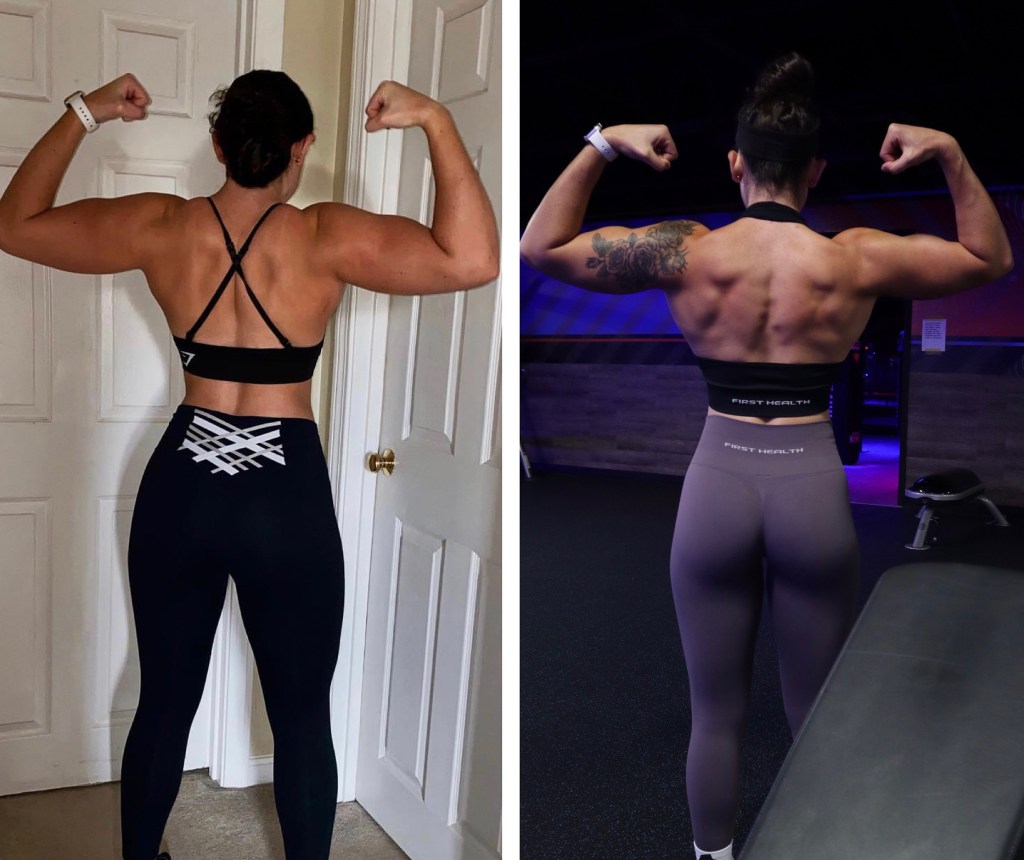

The time difference between the left and right in each of the comparisons above is about 2 years.
If you aren’t sure you’d be able to manage doing it on your own, apply to work with me here. I work with people that have all sorts of goals. I have 3 spots open and continually open spots each month.
Until next time,
Coach Emily
-
Stress & Sleep: The Missing Keys to Your Fitness Goals
If you’re training hard and eating well but still not seeing results, it’s time to take a look at two of the most underrated and overlooked factors in fat loss and muscle gain.. stress regulation and sleep quality. Your body doesn’t just need calories and workouts, it needs recovery, hormone balance, and nervous system support.…
-
Revamp Your Metabolism: A Beginner’s Guide to Boosting Energy and Burning Fat
Photo creds Your metabolism is like the engine that powers your body’s energy production and weight management. It’s responsible for converting the food you eat into energy, fueling your daily activities and bodily functions. However, factors like age, genetics, and lifestyle choices can impact your metabolic rate, leading to sluggishness and difficulty in managing weight.…
-
Avoid These 5 Mistakes When Tracking Calories
Tracking calories can be a powerful tool for managing your weight, improving your health, or achieving specific fitness goals. However, if done incorrectly, it can lead to frustration and less-than-optimal results. Here are five common mistakes to avoid when tracking calories to ensure you get the most out of your efforts. 1. Underestimating Portion Sizes…
-
How to Curb Cravings Without Getting Too Restrictive: Indulging in Moderation
Cravings are a common part of life, and while it’s important to maintain a healthy diet, it’s equally crucial not to get overly restrictive. After all, food is meant to be enjoyed. Finding a balance between curbing cravings and allowing yourself to indulge occasionally can be the key to long-term success in maintaining a healthy…
-
Sticking to Your Fitness and Nutrition Regimen While Traveling
Traveling can be an exciting and enriching experience, but it often throws a wrench in our usual fitness and nutrition routines. Whether you’re on a business trip or vacation, it’s possible to maintain your healthy habits with some planning and creativity. Below are some tips to help you stay on track with your fitness and…
-
A Beginners Guide to Building Strong and Sculpted Legs
Building strong, sculpted legs is a key goal for many gym goers, and for good reason. Strong legs improve overall athletic performance, enhance balance and stability, and play a vital role in daily activities. Plus, they look amazing! Duh. Whether you’re just starting your fitness journey or looking to refine your leg workout routine, this…
 The Freshman Fitness Blog by Emily Robinson
Leave a comment