Something I’ve personally never been great at, because I never put the time into it, was being flexible.
As I get older, I am finding more and more than I really need to get into stretching to reduce the risk of injury and just to feel better overall/be able to move my body more freely.
There are 3 main types of stretching that we will go over in this post. There are a few other types as well, but these are the basics.
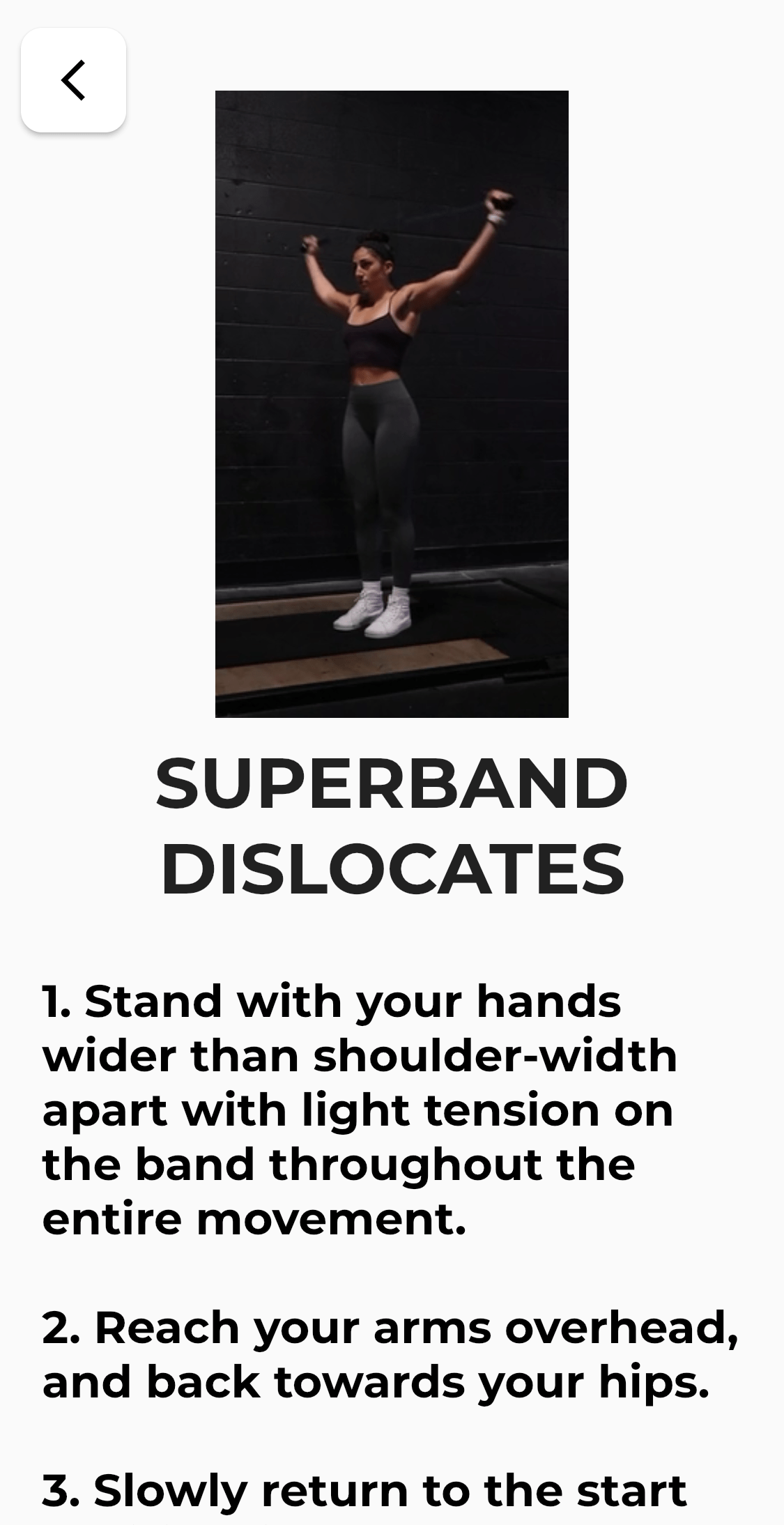
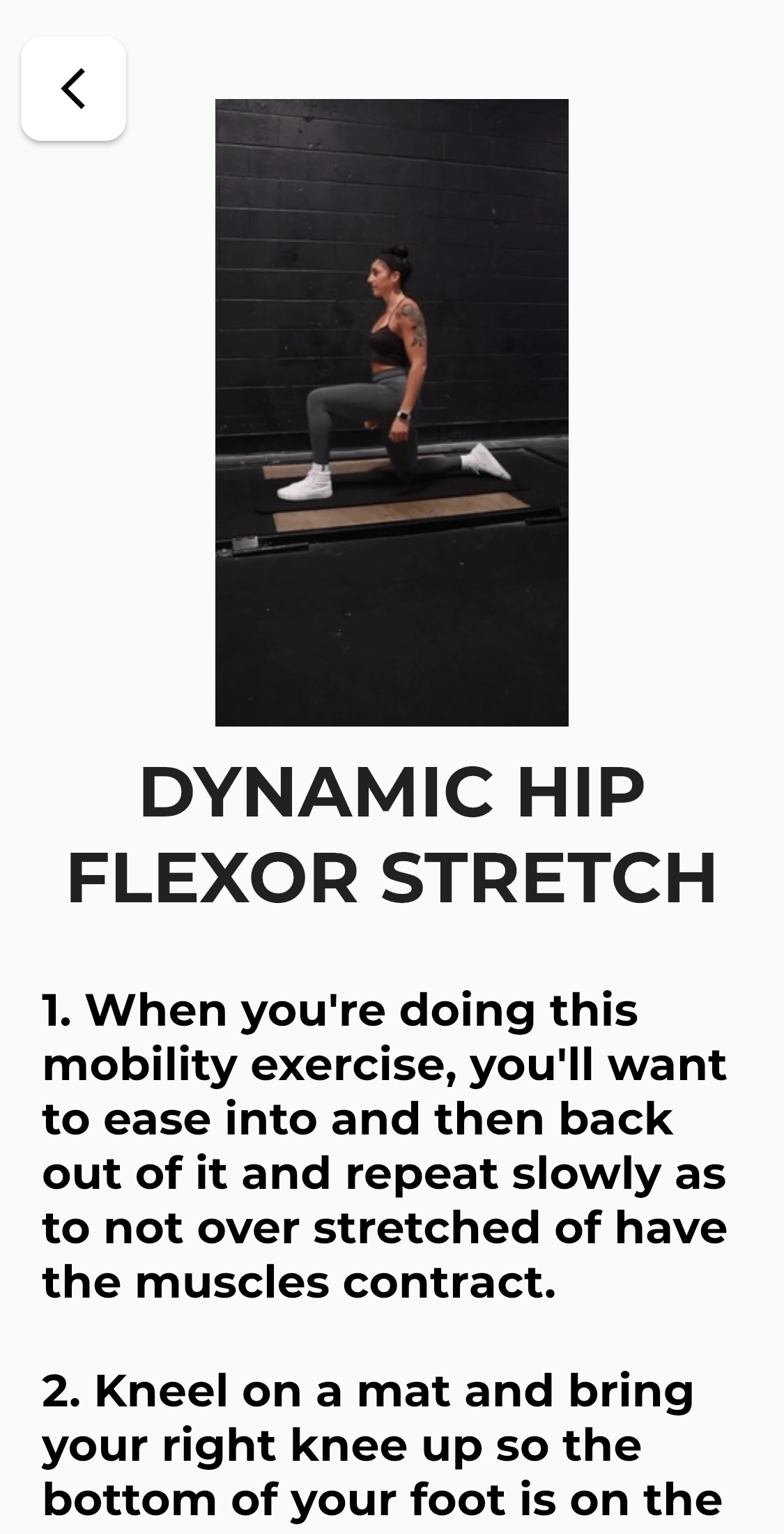
Dynamic Stretching
Dynamic stretching is defined as an active movement where joints and muscles go through a full range of motion (ROM).
Dynamic stretching is great as a pre workout warm up. It helps loosen the joints, decease muscle stiffness and get the blood flowing through the muscles.
It is much less tiring on the muscles than static stretching and works the muscle through similar patterns that it will be completing with exercises.
A dynamic stretch warm up should be about 3-10 stretches overall.
1-2 sets of each stretch for 10-15 reps is best.
Below are some examples of dynamic stretches that I’ve pulled from my Freshman Fitness app:
Static Stretching
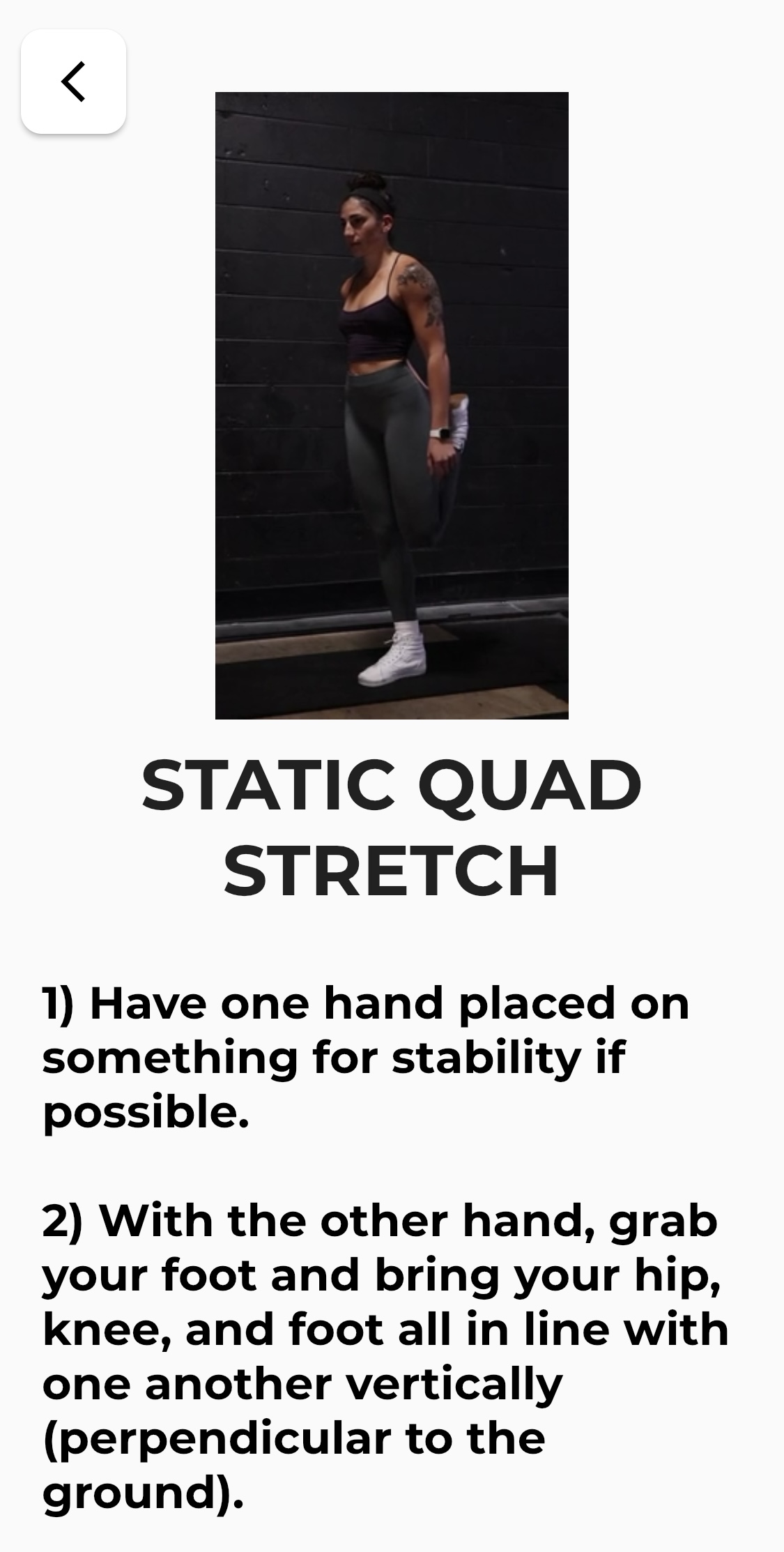
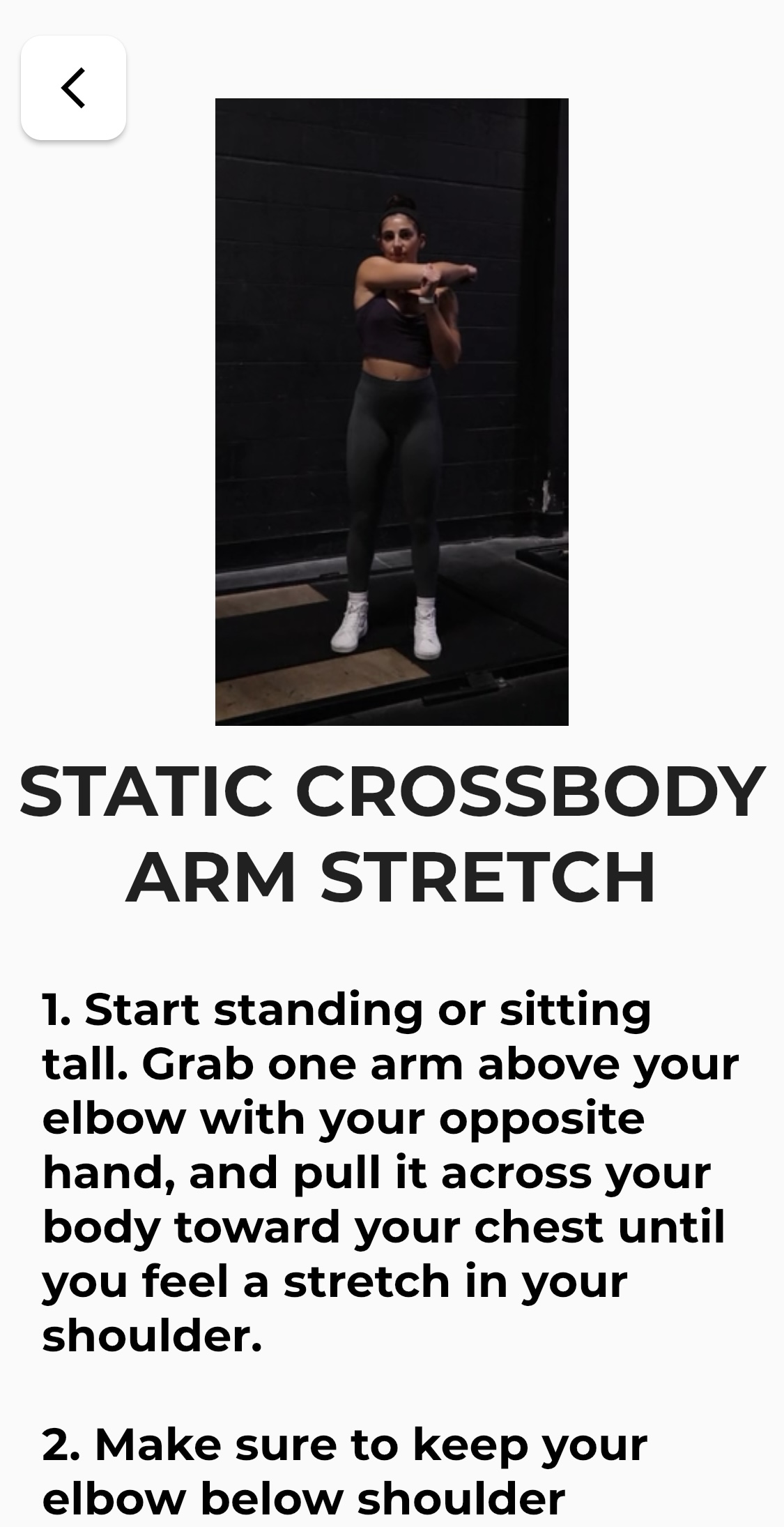
Static stretching is when you take a muscle as far as you can go (apply tension) without any physical pain. Discomfort is normal.
This is commonly what people think of when they hear the word “stretching”.
Once in this position, you hold the stretch for 30+ seconds.
Repeat each stretch for 1-3 sets.
It is best done AFTER your workouts as a cool down.
Static stretching done before your workouts can actually cause a reduced level of performance (less speed, strength, power) and potential injury as you are stretching your muscle for extended periods of time and tiring it out.
Below are some examples of static stretches that I’ve pulled from my Freshman Fitness app:
Self-Myofascial Release (SMR)
SMR is a technique that helps reduce muscle tightness, soreness (DOMS) or target knots.
It’s done by releasing trigger points in the body. It can be a confusing concept to explain so I’ve decided to pull directly from the source itself.
NASM explains SMR as “when the pressure of the body against the foam roller is sustained on the trigger point, the GTO will “turn off” the muscle spindle activity allowing the muscle fibers to stretch, unknot, and realign”.
A common form of SMR is foam rolling, but there are also triggerpoint balls, handheld rollers, etc.
You can also go a little more “homemade” and use a lacrosse or tennis ball to try to get some SMR done as well.
I personally love using a lacrosse ball to roll out the knots in my back.
It’s actually SO painful, but good painful, lol.
Foam rolling can be done before or after workouts, and is very beneficial on rest days as well for recovery.
It can also help reduce muscle soreness if you are experiencing DOMS (delayed onset muscle soreness).
Below are some examples of foam rolling that I’ve pulled from my Freshman Fitness app:
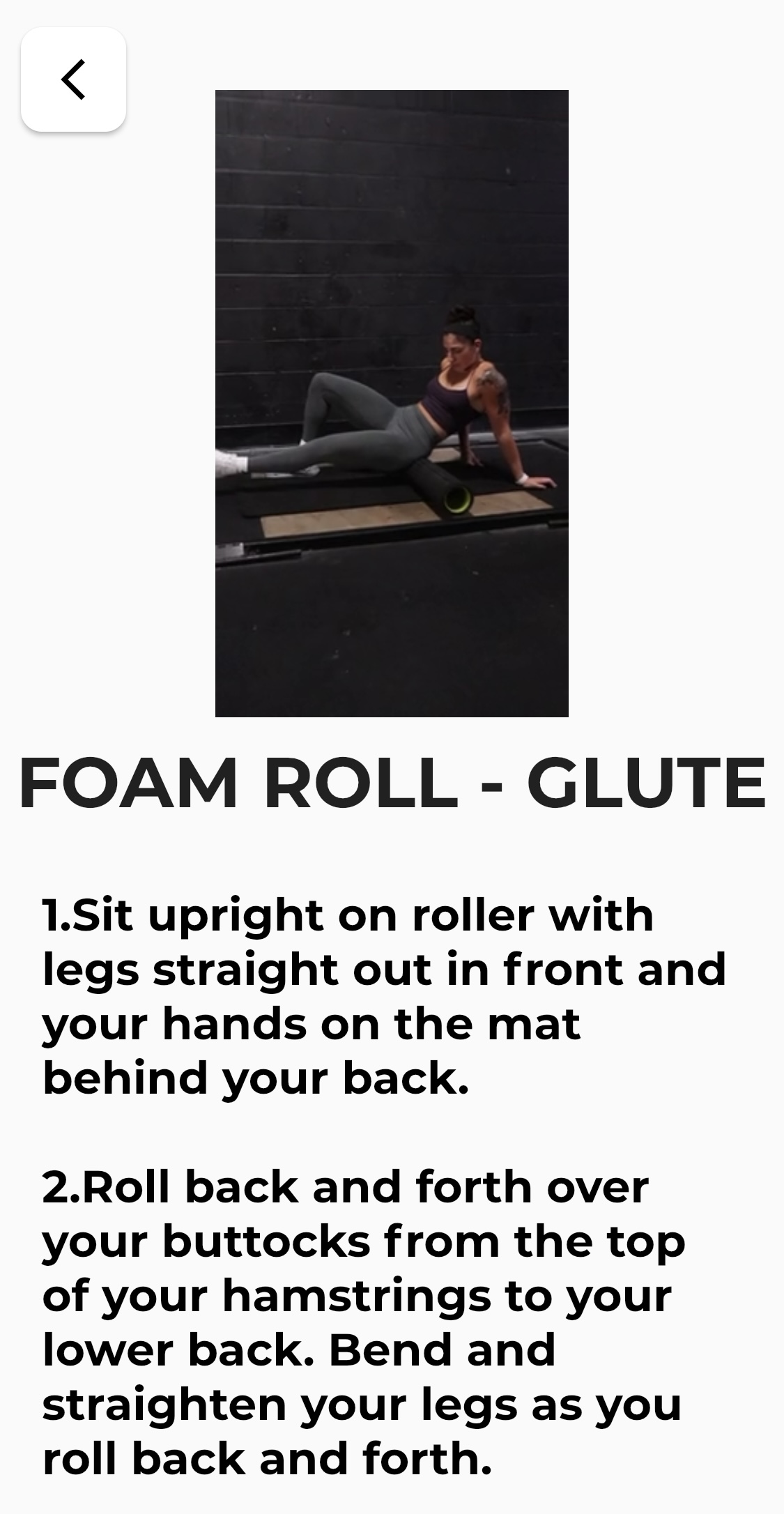
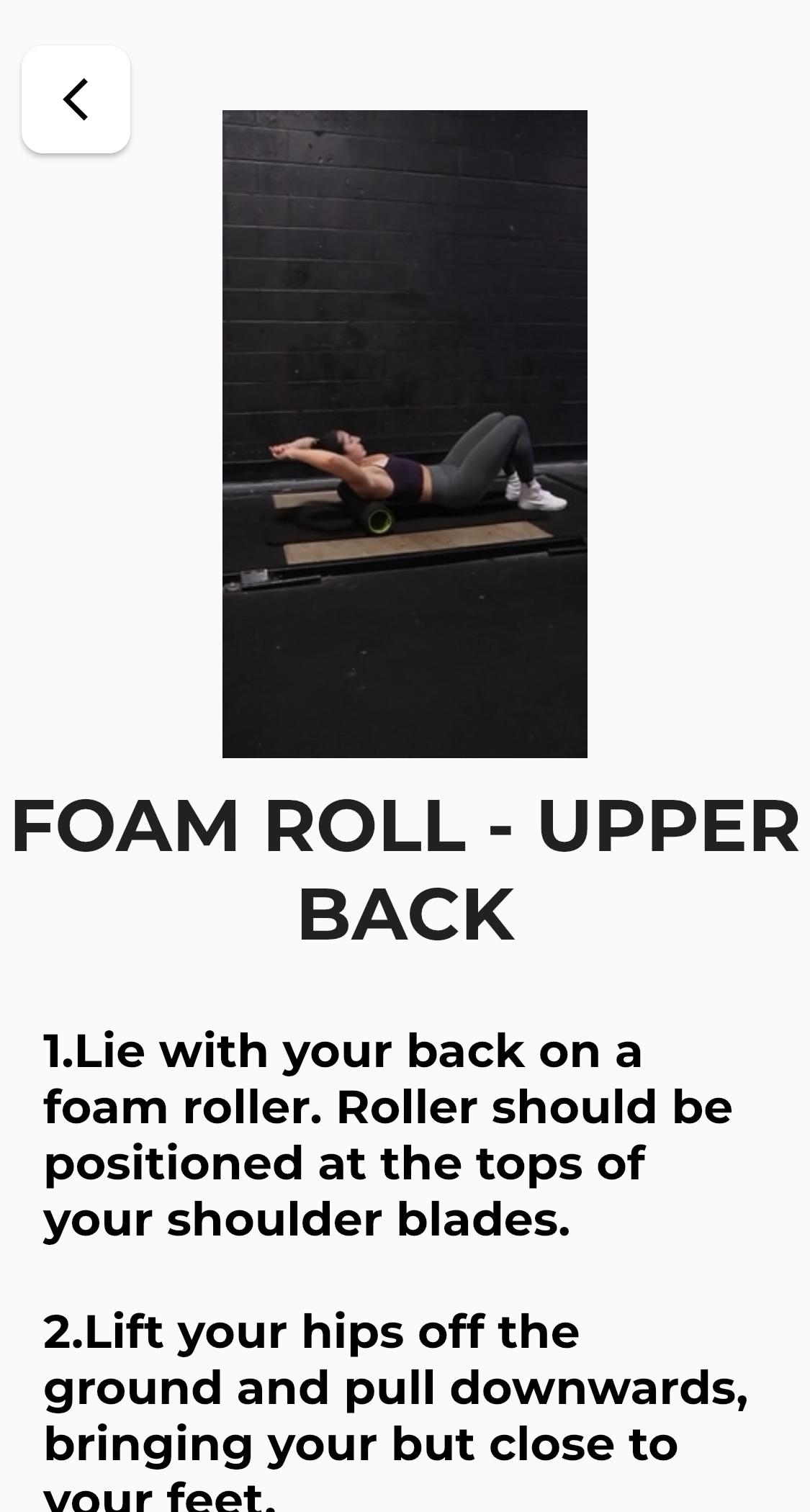
I highly recommend including all 3 types into your week to week routine.
I’ve noticed a huge difference in how my body feels overall once I started incorporating different forms of stretching/SMR and recovery into my routine.
If you feel as though you need help, I have spots open in my 1:1 coaching program still. We can work together to incorporate some stretching and mobility into your routine to get you feeling your best! Apply here.
I also have additional stretches for each category listed above within my Freshman Fitness app that you can do on your own time.
Until next time,
Coach Emily
-
Stress & Sleep: The Missing Keys to Your Fitness Goals
If you’re training hard and eating well but still not seeing results, it’s time to take a look at two of the most underrated and overlooked factors in fat loss and muscle gain.. stress regulation and sleep quality. Your body doesn’t just need calories and workouts, it needs recovery, hormone balance, and nervous system support.…
-
Revamp Your Metabolism: A Beginner’s Guide to Boosting Energy and Burning Fat
Photo creds Your metabolism is like the engine that powers your body’s energy production and weight management. It’s responsible for converting the food you eat into energy, fueling your daily activities and bodily functions. However, factors like age, genetics, and lifestyle choices can impact your metabolic rate, leading to sluggishness and difficulty in managing weight.…
-
Avoid These 5 Mistakes When Tracking Calories
Tracking calories can be a powerful tool for managing your weight, improving your health, or achieving specific fitness goals. However, if done incorrectly, it can lead to frustration and less-than-optimal results. Here are five common mistakes to avoid when tracking calories to ensure you get the most out of your efforts. 1. Underestimating Portion Sizes…
-
How to Curb Cravings Without Getting Too Restrictive: Indulging in Moderation
Cravings are a common part of life, and while it’s important to maintain a healthy diet, it’s equally crucial not to get overly restrictive. After all, food is meant to be enjoyed. Finding a balance between curbing cravings and allowing yourself to indulge occasionally can be the key to long-term success in maintaining a healthy…
-
Sticking to Your Fitness and Nutrition Regimen While Traveling
Traveling can be an exciting and enriching experience, but it often throws a wrench in our usual fitness and nutrition routines. Whether you’re on a business trip or vacation, it’s possible to maintain your healthy habits with some planning and creativity. Below are some tips to help you stay on track with your fitness and…
-
A Beginners Guide to Building Strong and Sculpted Legs
Building strong, sculpted legs is a key goal for many gym goers, and for good reason. Strong legs improve overall athletic performance, enhance balance and stability, and play a vital role in daily activities. Plus, they look amazing! Duh. Whether you’re just starting your fitness journey or looking to refine your leg workout routine, this…
 The Freshman Fitness Blog by Emily Robinson
Leave a comment