Different types of exercise demand different levels of energy. This is where the three energy systems in the body come into play.
The energy systems (in order) are:
- Phosphagen/ATP-PC System
- Anaerobic/Glycolytic System
- Aerobic/Oxidative System
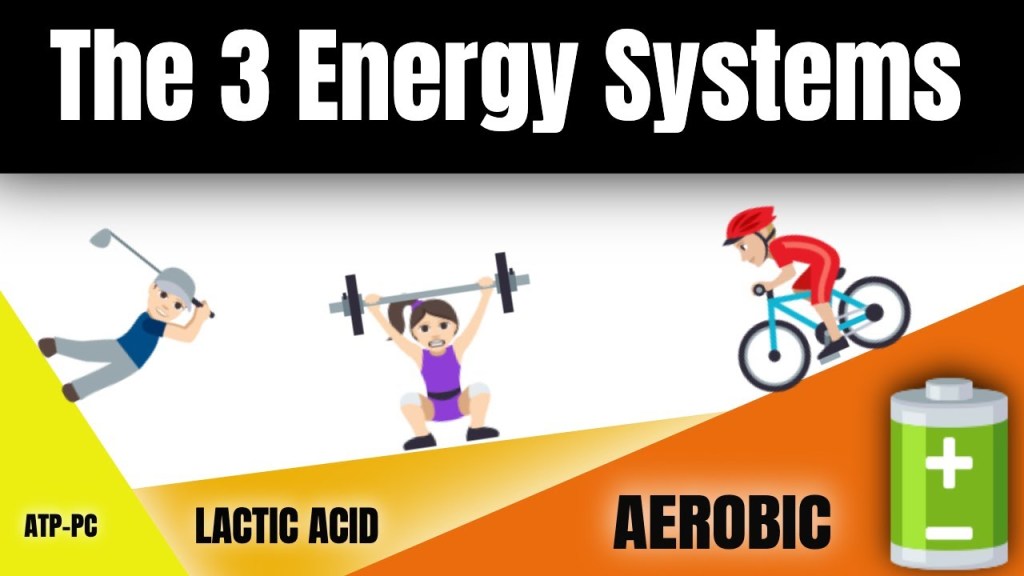
What is an energy system?
An energy system is simply the method in which energy is used from food by your body during different activities.
Not to get too science-y, but essentially, the food we eat is all converted into ATP or Adenosine Triphosphate through various processes which is then used as fuel in the body.
So essentially, an energy system produces ATP and then decides how the body will use it and for what activities.
The different systems
Phosphagen/ATP-PC System
In this system, ATP is generated by creatine. The PC stands for phosphocreatine or creatine phosphate which is a naturally occurring energy source found in the muscles.
Although it is naturally occurring, it is also found in animal proteins and supplements such as creatine monohydrate. There are also a lot of other types of creatine supplements, but I would argue monohydrate is the most well known.
ATP in this system can only be stored in small amounts which is why it is the first level of energy used up.
It takes about 30 seconds of intense activity to use up the entire energy source and about 5 minutes to restore this energy source.
Taking supplements such as creatine can help reduce this time frame and restore your energy fuels quicker, enhancing performance overall.
This system is used for high intensity or short burst activities such as short sprints and powerlifting activities such as hitting 1 rep maxes.
Anaerobic/Glycolytic System
After your 30 seconds of energy is used up from the phosphagen system, your body moves to the anaerobic/glycolytic system to get its next dose of ATP.
This system is used for activities that last 1 to about 3 minutes total.
Anaerobic means “without oxygen” AKA activities that break down glucose for energy without using oxygen. This does not mean that we can do it without breathing lol, it just means it’s not directly taking energy from the oxygen molecules.
As glycogen comes from carbohydrates mainly, this is where energy is pulled from in this system (glucose stores in the muscles and blood stream). Because of this, energy is able to be produced quicker than the phosphagen system.
This system is used for activities such as hypertrophy training (6-12 reps), HIIT exercise lasting over 30 seconds, running in short bursts (over 30 seconds but under 3 minutes), etc.
Aerobic/Oxidative System
Once your body has tapped out both the phosphagen system and the anaerobic/glycolytic system, it moves to the aerobic/oxidative system for its ATP.
Opposite to anaerobic, aerobic means “with oxygen”, meaning that these are activities that break down glucose for energy using oxygen.
This allows the body to produce energy more efficiently than both the phosphagen and anaerobic system and for a much longer period of time.
The aerobic system is the ONLY system that can tap into your body fat as a way of producing more ATP. It uses both this and glycogen stores to produce energy but will still work for hours on end even if you don’t eat any carbs (and regardless of if you have a lot of extra body fat or not).
This system is used mainly in activities like long distance running, cardio, or for any sort of endurance based athlete.
Synergy between the systems
You don’t ever just use 1 energy system in your life. Generally, all 3 are working together as you participate in many different activities over the course of your life.
Even during a single activity such as weightlifting, all three of your systems could work together.
When it comes to gym performance, it is essential to work on improving all 3 of these systems to optimize your workout performance and results long term.
Having a strong aerobic system could potentially help you recover faster between your sets, and push longer or harder during your actual sets.
It will also help you work in cardio at the end of your workouts, which in turn will lead to more calories burned overall (and potentially more fat loss if that is your goal).
Regularly lifting in the gym within the hypertrophy range will naturally improve your anaerobic system over time.
Similarly, working on explosive movements such as short distance sprints, jumps, and 1 rep maxes will naturally help you improve your phosphagen system over time.
Conclusion
Working on improving all three of the energy systems will help you improve your performance in the gym over time and potentially enhance your results.
P.S. I have 2 spots remaining in my 1:1 coaching program, if you’re interested in working with me to hit your new years resolution, apply here.
Until next time,
Coach Emily
-
Stress & Sleep: The Missing Keys to Your Fitness Goals
If you’re training hard and eating well but still not seeing results, it’s time to take a look at two of the most underrated and overlooked factors in fat loss and muscle gain.. stress regulation and sleep quality. Your body doesn’t just need calories and workouts, it needs recovery, hormone balance, and nervous system support.…
-
Revamp Your Metabolism: A Beginner’s Guide to Boosting Energy and Burning Fat
Photo creds Your metabolism is like the engine that powers your body’s energy production and weight management. It’s responsible for converting the food you eat into energy, fueling your daily activities and bodily functions. However, factors like age, genetics, and lifestyle choices can impact your metabolic rate, leading to sluggishness and difficulty in managing weight.…
-
Avoid These 5 Mistakes When Tracking Calories
Tracking calories can be a powerful tool for managing your weight, improving your health, or achieving specific fitness goals. However, if done incorrectly, it can lead to frustration and less-than-optimal results. Here are five common mistakes to avoid when tracking calories to ensure you get the most out of your efforts. 1. Underestimating Portion Sizes…
-
How to Curb Cravings Without Getting Too Restrictive: Indulging in Moderation
Cravings are a common part of life, and while it’s important to maintain a healthy diet, it’s equally crucial not to get overly restrictive. After all, food is meant to be enjoyed. Finding a balance between curbing cravings and allowing yourself to indulge occasionally can be the key to long-term success in maintaining a healthy…
-
Sticking to Your Fitness and Nutrition Regimen While Traveling
Traveling can be an exciting and enriching experience, but it often throws a wrench in our usual fitness and nutrition routines. Whether you’re on a business trip or vacation, it’s possible to maintain your healthy habits with some planning and creativity. Below are some tips to help you stay on track with your fitness and…
-
A Beginners Guide to Building Strong and Sculpted Legs
Building strong, sculpted legs is a key goal for many gym goers, and for good reason. Strong legs improve overall athletic performance, enhance balance and stability, and play a vital role in daily activities. Plus, they look amazing! Duh. Whether you’re just starting your fitness journey or looking to refine your leg workout routine, this…
 The Freshman Fitness Blog by Emily Robinson
Leave a comment