Cravings are a common part of life, and while it’s important to maintain a healthy diet, it’s equally crucial not to get overly restrictive. After all, food is meant to be enjoyed. Finding a balance between curbing cravings and allowing yourself to indulge occasionally can be the key to long-term success in maintaining a healthy lifestyle. Here’s how you can achieve this balance.
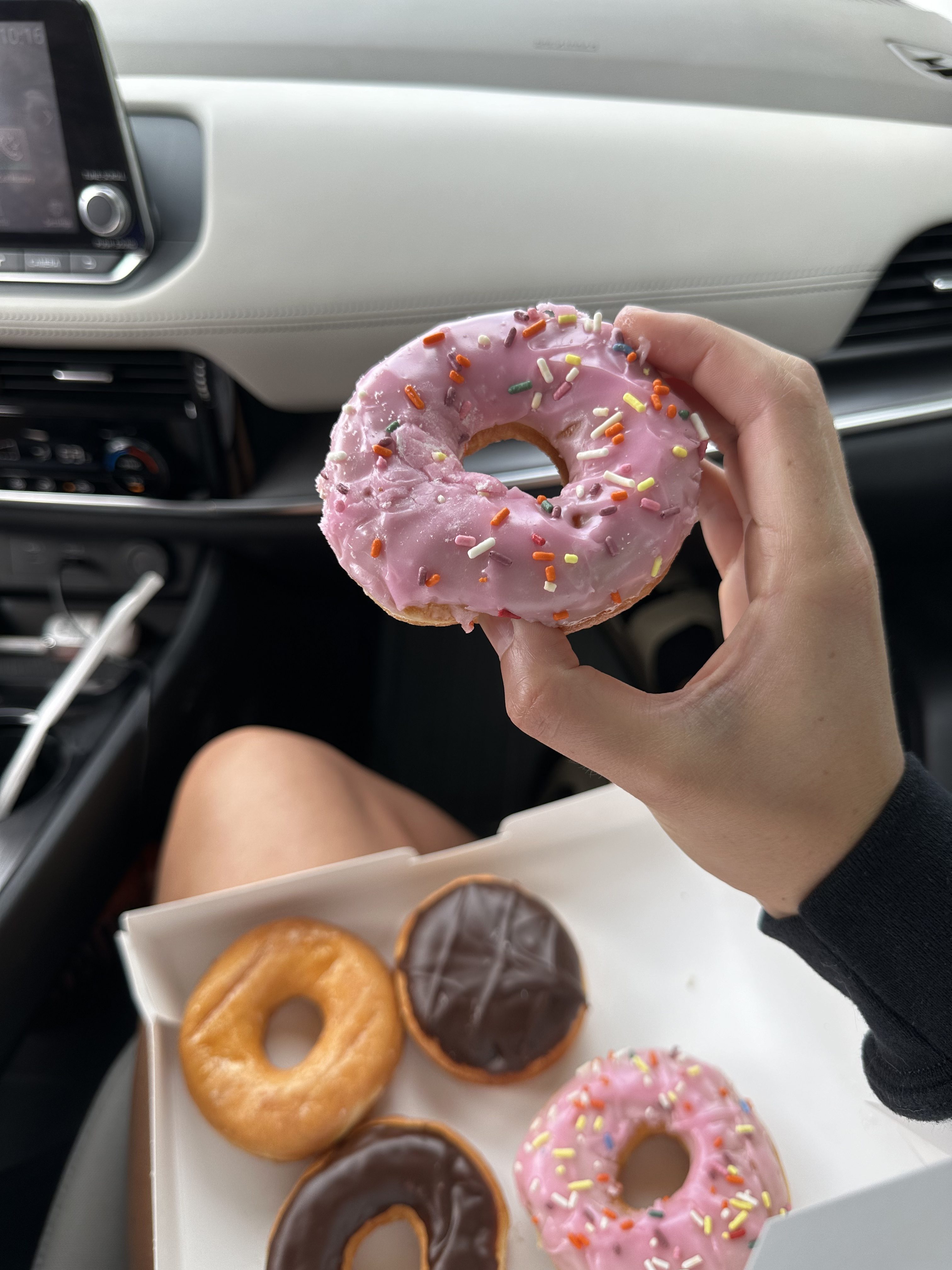
Understanding Cravings: Why Do They Happen?
Cravings can stem from a variety of sources including emotional states, nutritional deficiencies, or simply the habit of eating certain foods. Recognizing the root cause of your cravings is the first step in managing them effectively.
- Emotional Eating: Stress, boredom, or sadness can often lead to cravings for comfort foods.
- Nutritional Deficiencies: Sometimes cravings indicate a lack of essential nutrients. For instance, a craving for chocolate might indicate a magnesium deficiency.
- Habit and Conditioning: If you’re used to having dessert after every meal, your body can start to crave sugar out of habit.
Strategies to Curb Cravings
- Stay Hydrated: Thirst can sometimes be mistaken for hunger. Drinking water regularly can help you distinguish between true hunger and a craving.
- Eat Balanced Meals: Ensure your meals contain a mix of protein, healthy fats, and fiber. This combination can keep you fuller for longer and reduce the likelihood of cravings.
- Regular Eating Schedule: Eating at regular intervals can prevent extreme hunger, which often leads to cravings for unhealthy foods.
- Mindful Eating: Pay attention to what you eat, savor each bite, and avoid distractions like TV or smartphones during meals. This practice can help you enjoy your food more and recognize when you’re truly full.
- Healthy Alternatives: If you’re craving something sweet, opt for fruits or dark chocolate instead of candies or pastries. If you crave something salty, try nuts or air-popped popcorn.
The Art of Indulging in Moderation
Completely denying yourself the foods you love can lead to feelings of deprivation and make cravings worse. Instead, learn to indulge in moderation.
- Set Limits: Allow yourself small portions of your favorite treats. For instance, instead of eating a whole chocolate bar, have a couple of squares.
- Scheduled Treats: Plan when you’ll have your indulgences. This way, you have something to look forward to and can enjoy it without guilt.
- Quality Over Quantity: Choose high-quality versions of your favorite treats. A small piece of gourmet chocolate can be more satisfying than a larger portion of something less flavorful.
- Balance It Out: If you know you’ll be indulging later in the day, make sure your other meals are particularly healthy and balanced to maintain overall nutritional balance.
Building a Sustainable Relationship with Food
Developing a sustainable relationship with food involves listening to your body, understanding your cravings, and finding joy in eating without guilt. Here are some tips to help you achieve this:
- Listen to Your Body: Pay attention to hunger and fullness cues. Eat when you’re hungry and stop when you’re satisfied, not stuffed.
- Forgive Yourself: If you overindulge, don’t dwell on it. Recognize it as a part of life and get back on track with your next meal.
- Find Joy in Healthy Foods: Experiment with new recipes and discover healthy foods you genuinely enjoy. The more you like what you eat, the less likely you are to crave unhealthy options.
- Seek Support: Whether it’s through friends, family, or a trainer/coach, having a network can help you stay motivated and handle cravings better.
Conclusion
Curbing cravings and indulging in moderation doesn’t have to be a difficult balancing act. By understanding your cravings, making mindful choices, and allowing yourself occasional treats, you can maintain a healthy diet without feeling restricted. Remember, the goal is to build a positive relationship with food that supports both your physical and emotional well-being. Enjoying what you eat and feeling good about your choices is the key to long-term success.
If you feel like you are struggling with getting in a routine of eating healthy but still enjoying “unhealthy” foods in moderation, let’s work together!
You can apply here.
Until next time,
Coach Emily
Check out some of my other posts below:
-
How to Eat “Healthier” on the Go: Dessert Edition
Welcome to final part , part 4, of the how to eat/drink healthier on the go series. This week we will be discussing dessert options at various drive thru and sit down restaurant chains that are on the “lighter” side. I want to preface by saying I am NOT a nutritionist nor do I claim…
-
How to Eat “Healthier” on the Go: Sit Down Restaurant Edition
Welcome to part 3 of the “how to eat/drink healthier on the go” series. This week we will be talking about the most famous sit down restaurants. According to Google, these are the top 11 grossing sit down restaurant chains in America. Since IHOP and Dennys are really similar and so are Texas Roadhouse and…
-
How to Drink “Healthier” on the Go: Fast Food Edition
Welcome to part 2 of the “how to eat/drink healthier on the go” series. This week we will be talking about the most famous drive thru drink chains. We all love the super sugary coffee and frappe drinks at our favorite coffee shops. Unfortunately, those don’t always fit into the calories and macros though. In…
-
How to Eat “Healthier” on the Go: Fast Food Edition
Welcome to part 1 of the “how to eat/drink healthier on the go” series. This week we will be talking about the most famous fast food restaurants. Sometimes, you just don’t have the time or energy to meal prep for the week and that is fine! Maybe you’re someone who is constantly on the go…
-
The Link Between Exercise and Mental Health
Many people exercise purely for the physical reasons. We all want to look good. What most people don’t know is that there is a strong link between physical health and mental health. The mental benefits are highly overlooked but the research shows that people who regularly exercise have a better overall wellbeing in both the…
-
Intermittent Fasting: What’s The Big Hype?
There’s so many mixed opinions in the fitness and nutrition space regarding fasted and fed workouts and what “diet” is best for you so let me add one more to the mix. According to Google, “intermittent fasting is any various meal timing schedules that cycle between voluntary fasting and non-fasting over a given period”. When…
 The Freshman Fitness Blog by Emily Robinson
Leave a comment