If you’ve been following Freshman Fitness for a while, you may notice things look a little different around here.
Over the past several years of coaching women through weight loss, strength training, and building healthier habits, I started noticing something.
Many of the women I worked with shared a similar story.
They were former competitive athletes or current recreational athletes.
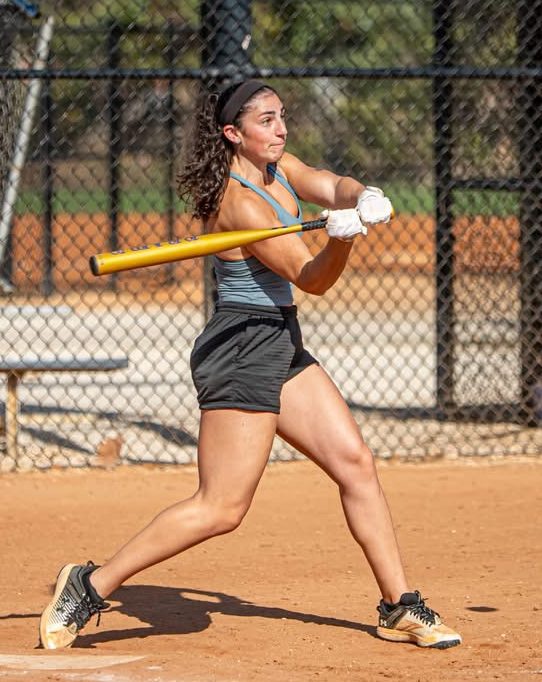
They played softball, soccer, volleyball, basketball, lacrosse, gymnastics, swimming, tennis, track, or another sport growing up. They were used to training hard, competing, and feeling strong.
Then life changed.
Their sport ended.
College ended.
Careers began.
Families grew.
The structure that had kept them active for years slowly disappeared.
Before they knew it, they no longer recognized the woman staring back at them in the mirror.
That’s why Freshman Fitness is evolving.
While this blog and my app will always be beginner friendly and designed to help any woman become healthier, you’ll start seeing a greater focus on helping former female athletes regain the strength, confidence, and athletic lifestyle they miss.
If there’s one thing I’ve learned…it’s just because your athletic career ended doesn’t mean you have to stop feeling like an athlete.
Why Nobody Prepared You For Life After Sports
One of the biggest misconceptions former female athletes have is believing they “let themselves go.”
I don’t think that’s true.
In fact, I think many former athletes work harder than everyone around them.
The difference is that the environment that once supported their fitness disappeared.
When you were competing, your life was built around movement.
Practices weren’t optional.
Strength training was scheduled.
Coaches held you accountable.
Teammates expected you to show up.
Your weekends often revolved around competition instead of brunch, birthday parties, and happy hours.
You weren’t relying on motivation.
Your environment made consistency almost automatic.
Today?
Nobody cares if you skip the gym.
Nobody notices if you meal prep.
Nobody tells you to go to bed because you have conditioning tomorrow morning.
For the first time, your health is entirely your responsibility.
That transition is harder than most people realize.
Your Identity Changed Before Your Body Did
This is the part nobody talks about.
When sports end, you don’t just lose workouts.
You lose identity.
You go from introducing yourself as:
“I play softball.”
“I’m a soccer player.”
“I’m on the volleyball team.”
To…
“I’m an accountant.”
“I’m a nurse.”
“I’m a mom.”
“I’m in sales.”
Those identities are wonderful.
But they don’t automatically include movement.
Your schedule changes.
Your priorities change.
Your social circle changes.
Without realizing it, fitness stops being part of who you are.
Eventually, your body follows.
Why Discipline Isn’t Your Problem
One thing I notice coaching former athletes…
Discipline usually isn’t lacking.
If anything, former athletes tend to expect too much from themselves.
They think every workout has to be perfect.
They feel guilty when life gets busy.
They believe missing one week means they failed.
Ironically…that perfectionism often causes more inconsistency than a lack of motivation.
If you can’t give 100%, you end up giving 0%.
Learning to train consistently at 70-80% effort throughout adulthood is far more powerful than constantly restarting after periods of perfection.
The Metabolism Myth
Many women assume their metabolism completely crashed after sports.
The truth is a little different.
Your metabolism didn’t suddenly stop working.
Your daily energy expenditure changed.
Think about it.
Two hour practices.
Weekend tournaments.
Conditioning.
Weight room sessions.
That could easily add hundreds or even thousands of calories burned every week.
Now replace that with:
- Sitting at a desk.
- Driving everywhere.
- Forty hour work weeks.
- Netflix after dinner.
It’s not your metabolism.
It’s your lifestyle.
The good news?
Lifestyle is something you can change.
Stop Chasing Your High School Routine
One of the biggest mistakes I see is women trying to recreate the exact routine that made them successful at 17.
That isn’t realistic.
You don’t have:
Two hour practices.
Recovery built into your schedule.
Parents cooking dinner.
Summer conditioning.
Your training needs to evolve with your life.
Instead of asking…
“How did I train then?”
Ask…
“How can I become the strongest version of myself now?”
That’s a much healthier question.
What Actually Works
After coaching hundreds of women, here’s what consistently produces results.
Lift weights.
Muscle is one of the best investments you can make for long term health, metabolism, confidence, and body composition.
Eat enough protein.
Protein helps preserve muscle while losing fat and keeps you fuller throughout the day.
Train consistently, not perfectly.
Three quality workouts every week will outperform six workouts you quit after two weeks.
Walk more.
You don’t need endless cardio.
You simply need to move more throughout the day.
Sleep matters more than you think.
Recovery isn’t optional.
Poor sleep affects hunger, energy, recovery, performance, and decision making.
Build habits that fit your adult life.
The best plan is the one you can still follow six months from now.
Final Thoughts
One of my favorite quotes says:
“You don’t have to go back to who you were to become who you’re capable of being.“
I don’t want you chasing your high school body.
I want you building a body that’s stronger, healthier, and more capable than you ever thought possible.
Your competitve athletic career may have ended but the mindset that made you successful never left.
Now it’s time to apply it to the rest of your life.
Welcome to Freshman Fitness.
Let’s start your next season which is your comback!
If you’re ready for personalized coaching, accountability, and a plan designed specifically for you, I’d love to work together.
Until next time,
Coach Emily
Check out some of my past posts below:
- How to Build Food Freedom While Still Reaching Your Goals
- Former Athlete Grocery Haul: Everything I Buy to Stay Lean, Strong & Athletic
- Why Former Female Athletes Struggle to Stay Lean After Sports (And How to Get Your Athletic Body Back)
- Understanding Weight Loss Medications (GLP-1, GIP): What Every Beginner Should Know
- Breathe Your Way to Better Workouts: How Your Nervous System Shapes Fitness


Leave a Reply