Cravings are a common part of life, and while it’s important to maintain a healthy diet, it’s equally crucial not to get overly restrictive. After all, food is meant to be enjoyed. Finding a balance between curbing cravings and allowing yourself to indulge occasionally can be the key to long-term success in maintaining a healthy lifestyle. Here’s how you can achieve this balance.
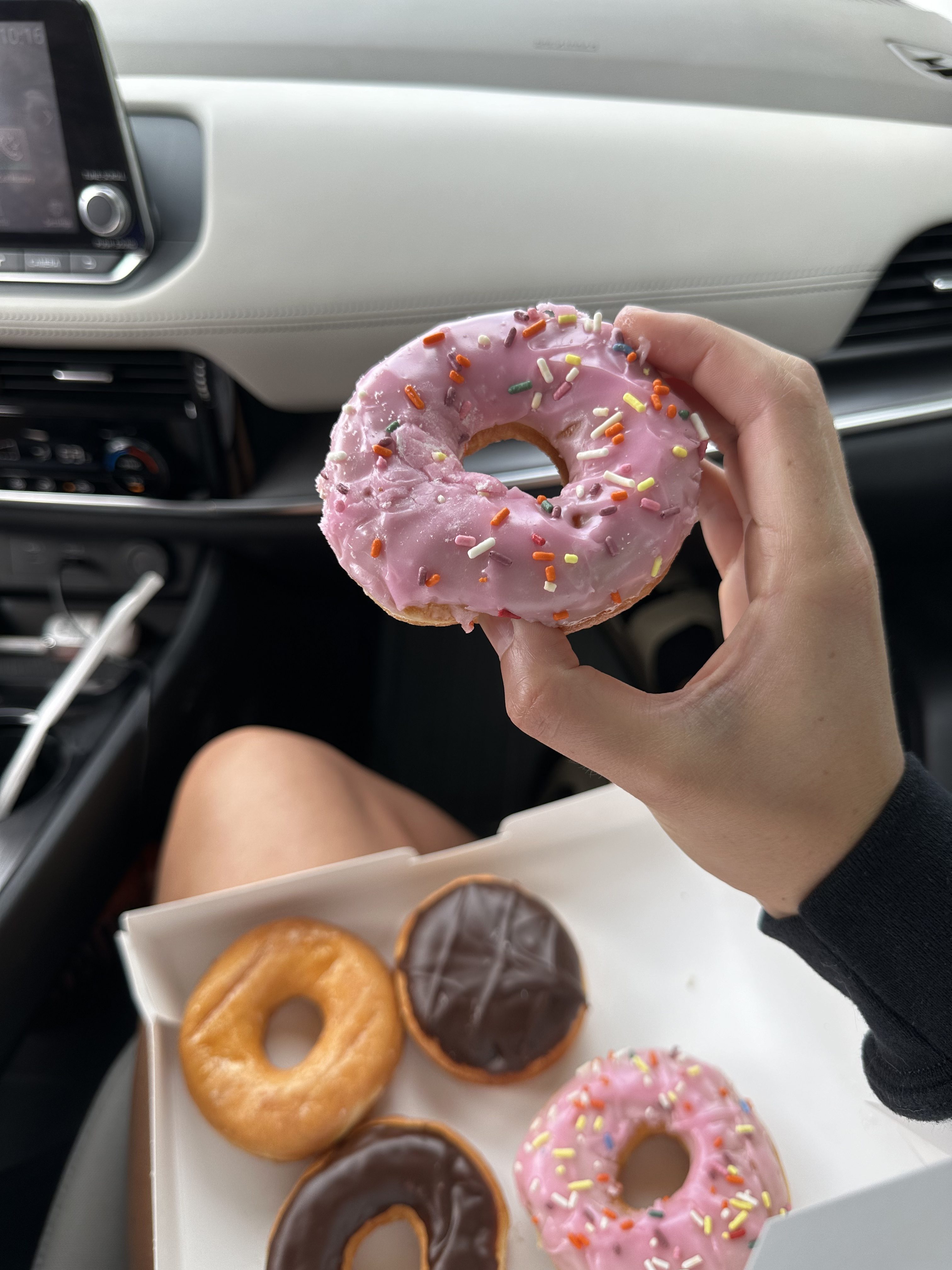
Understanding Cravings: Why Do They Happen?
Cravings can stem from a variety of sources including emotional states, nutritional deficiencies, or simply the habit of eating certain foods. Recognizing the root cause of your cravings is the first step in managing them effectively.
- Emotional Eating: Stress, boredom, or sadness can often lead to cravings for comfort foods.
- Nutritional Deficiencies: Sometimes cravings indicate a lack of essential nutrients. For instance, a craving for chocolate might indicate a magnesium deficiency.
- Habit and Conditioning: If you’re used to having dessert after every meal, your body can start to crave sugar out of habit.
Strategies to Curb Cravings
- Stay Hydrated: Thirst can sometimes be mistaken for hunger. Drinking water regularly can help you distinguish between true hunger and a craving.
- Eat Balanced Meals: Ensure your meals contain a mix of protein, healthy fats, and fiber. This combination can keep you fuller for longer and reduce the likelihood of cravings.
- Regular Eating Schedule: Eating at regular intervals can prevent extreme hunger, which often leads to cravings for unhealthy foods.
- Mindful Eating: Pay attention to what you eat, savor each bite, and avoid distractions like TV or smartphones during meals. This practice can help you enjoy your food more and recognize when you’re truly full.
- Healthy Alternatives: If you’re craving something sweet, opt for fruits or dark chocolate instead of candies or pastries. If you crave something salty, try nuts or air-popped popcorn.
The Art of Indulging in Moderation
Completely denying yourself the foods you love can lead to feelings of deprivation and make cravings worse. Instead, learn to indulge in moderation.
- Set Limits: Allow yourself small portions of your favorite treats. For instance, instead of eating a whole chocolate bar, have a couple of squares.
- Scheduled Treats: Plan when you’ll have your indulgences. This way, you have something to look forward to and can enjoy it without guilt.
- Quality Over Quantity: Choose high-quality versions of your favorite treats. A small piece of gourmet chocolate can be more satisfying than a larger portion of something less flavorful.
- Balance It Out: If you know you’ll be indulging later in the day, make sure your other meals are particularly healthy and balanced to maintain overall nutritional balance.
Building a Sustainable Relationship with Food
Developing a sustainable relationship with food involves listening to your body, understanding your cravings, and finding joy in eating without guilt. Here are some tips to help you achieve this:
- Listen to Your Body: Pay attention to hunger and fullness cues. Eat when you’re hungry and stop when you’re satisfied, not stuffed.
- Forgive Yourself: If you overindulge, don’t dwell on it. Recognize it as a part of life and get back on track with your next meal.
- Find Joy in Healthy Foods: Experiment with new recipes and discover healthy foods you genuinely enjoy. The more you like what you eat, the less likely you are to crave unhealthy options.
- Seek Support: Whether it’s through friends, family, or a trainer/coach, having a network can help you stay motivated and handle cravings better.
Conclusion
Curbing cravings and indulging in moderation doesn’t have to be a difficult balancing act. By understanding your cravings, making mindful choices, and allowing yourself occasional treats, you can maintain a healthy diet without feeling restricted. Remember, the goal is to build a positive relationship with food that supports both your physical and emotional well-being. Enjoying what you eat and feeling good about your choices is the key to long-term success.
If you feel like you are struggling with getting in a routine of eating healthy but still enjoying “unhealthy” foods in moderation, let’s work together!
You can apply here.
Until next time,
Coach Emily
Check out some of my other posts below:
-
The 8 Best Supplements for Gym Newbies + Pre & Post Workout Nutrition
By now its a well known fact that nutrition accounts for the majority of your results when it comes to fitness. Of course you still need to put in the work at the gym, but it truly is impossible to outwork a bad diet. “But Emily, can’t I just take supplements to make up for…
-
Dating in the Gym: How to Get a Gym Bae
Do you have a gym crush but the fear of being rejected is holding you back? This week I had the pleasure of speaking with dating coach, Chris Nappi. He went over his best tips for approaching a girl/guy in the gym OR ways to get approached if you’re crushing on someone but too scared…
-
How to Build Healthy Long-Term Habits for Success in the Gym
“Success isn’t always about ‘greatness’, it’s about consistency. Consistent, hard work gains success.” -Dwayne “The Rock” Johnson. We all heard it before, consistency is key. Consistency beats out motivation. Every. Single. Time. You’ll never always be motivated to go to the gym. In fact, if you ask people why they don’t go to the gym,…
-
Creating Strength Training Workouts 101
Steps in order – SIDE NOTE It doesn’t matter if your goal is fat loss, muscle gain, etc. Your nutrition will take care of that aspect. For choosing your goal in terms of which method of rest you pick, think about if you want to have better endurance, build muscle/strength long term or specifically get…
-
The Gym Fit: What is it and what power does it hold? Featuring top brand comparisons, personal recommendations & more
What I failed to realize when I first starting lifting was the power of the “gym fit” AKA the outfit that you decide to wear to the gym. I went to the gym in the same pair of shoes, the same few leggings or shorts & same few tank tops every time. I didn’t look…
-
Tracking Calories & Macros 101
Calories are measurements or units of energy we use to express the nutritional value of food. Similar to our bodies, calories have composition too. They can be broken down into what we call macronutrients or macros. The 3 macros are protein, fats, and carbohydrates (carbs). Each one has a specific role in the body. This…
 The Freshman Fitness Blog by Emily Robinson
Leave a comment